2026 Legislative Priorities:
Also on Our Radar:
- Defend 501(c)(3) Tax-Exempt Status and Nonprofit Nonpartisanship: For nearly 70 years, an important provision in the federal tax code Section 501(c)(3), sometimes called the Johnson Amendment, has provided that in exchange for tax-exempt status, a charitable nonprofit, foundation, or religious organization may “not participate in, or intervene in (including the publishing or distributing of statements), any political campaign on behalf of (or in opposition to) any candidate for public office.” This language serves to protect charitable nonprofits, houses of worship, and foundations – and the donating public by ensuring organizations dedicated to the public good remain above the political fray. Nonprofits operate as safe havens from the caustic partisanship that is bedeviling our country, places where people can come together to solve community problems. Repeal or revision of the law would damage the integrity and effectiveness of all charitable nonprofits and foundations. Click here for KNN’s one-page summary on why this matters to nonprofits.
- Educate Policy Makers:
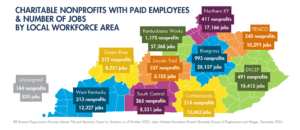
- Use Our NEW More Than Charity Report: KNN’s 2026 More Than Charity report highlights the impact that charitable nonprofits have on Kentucky’s economy and communities. As the fourth-largest private-sector employer in the state, charitable nonprofits employ 178,864 Kentuckians, generate $11.9 billion in annual wages, and contribute $32.5 billion in expenditures benefiting Kentucky’s economy. Check out the full report and explore data by county and local workforce area on the More Than Charity Dashboard. We also provide a toolkit to help you share the story that nonprofits are #MoreThanCharity. Click here to access.
- Share the #NonprofitsGetItDone Campaign: KNN is proud to partner with the National Council of Nonprofit’s Nonprofits Get It Done Campaign to highlight the vital role nonprofits play in communities across Kentucky and the nation. To learn more about the campaign and how to take action, click here.
KY General Assembly Resources:
- Find your District / Find your Legislator
- Find your Senator
- Find your member of the House of Representatives
- Call the Legislative Message Line – 1-800-372-7181
- Legislative Research Commission website provides links to live-feed coverage, committee schedules and more. You can also follow coverage on the Legislature’s YouTube Channel or KET.
- Tips for Visiting with Legislators
Take Action!
TAKE ACTION to ensure prompt payment & other critical improvements to state grants & contracts with charitable nonprofits become law! Call 1-800-372-7181 and leave a message for your Senator – VOTE YES ON HB480
2026 Federal Public Policy – Key Resources:
Federal Priorities:
- Oppose Proposed Changes to Federal Grantees, Harming Nonprofits and Communities: The federal General Services Administration (GSA) has proposed changes to the System for Award Management (SAM) that would require all federal grantees, including nonprofits, state, local, and Tribal government, and other entities, to sign new certifications under the threat of civil and criminal penalties before applying for or receiving federal resources, including grants, cooperative agreements, and other assistance. These certifications attempt to align with the President’s executive order and the U.S. Department of Justice guidance, misrepresenting “illegal” diversity, equity, inclusion, and accessibility, undocumented immigration, and terrorism. Ultimately, the proposed changes will harm the people and communities that rely on nonprofits and other federal grantees, and the essential services they provide. Nonprofits and the general public have until March 30 to submit public comments in opposition to the proposed changes. Our partners at the National Council of Nonprofits (NCN) have created several tools to help nonprofits nationwide make your voices heard.
- *TAKE ACTION BY MARCH 30* Learn more and join KNN to sign the national letter
- Defending Nonprofit Nonpartisanship: For nearly 70 years, an important provision in the federal tax code Section 501(c)(3), sometimes called the Johnson Amendment, has provided that in exchange for tax-exempt status, a charitable nonprofit, foundation, or religious organization may “not participate in, or intervene in (including the publishing or distributing of statements), any political campaign on behalf of (or in opposition to) any candidate for public office.” This language serves to protect charitable nonprofits, houses of worship, and foundations – and the donating public by ensuring organizations dedicated to the public good remain above the political fray. Nonprofits operate as safe havens from the caustic partisanship that is bedeviling our country, places where people can come together to solve community problems. Repeal or revision of the law would damage the integrity and effectiveness of all charitable nonprofits and foundations. Click here for KNN’s one-page summary on why this matters to nonprofits. And click here to learn about KNN’s opposition to the “Free Speech Fairness Act” (S.1205/H.R. 2501).
- *TAKE ACTION* Sign on with KNN
- Protecting Nonprofits from Executive Overreach: While language based on the Stop Terror- Financing and Tax Penalties on American Hostages Act (H.R. 9495) was removed from the tax bill, KNN and our state association partners remain vigilant on its return in separate legislation. The law would give unprecedented authority to the Executive Branch to revoke tax- exempt status from charitable nonprofits without due process or basic protections. While nonprofits unequivocally oppose terrorism in all forms, any enforcement action must be grounded in transparency, evidence, and the rule of law. If enacted, the provision could allow any Administration targeting nonprofits based on ideological grounds. Click here to learn more.
- Charitable Giving Tax Incentives: Kentucky’s charitable nonprofits continue to experience growing demand for their services, yet costs continue to rise due to inflation while private donations and the number of donors are declining. The new federal tax bill includes both good news and bad news for charitable giving tax incentives. The language used in the tax bill is based largely on The Charitable Act (H.R. 801/S. 317), which was co-sponsored by Kentucky Congressmen Andy Barr, Brett Guthrie, and Morgan McGarvey.
- Protecting Nonprofits in the Tax Debate: Congress recently enacted and the President has signed into law one of the most consequential tax bills in a generation. KNN worked in partnership with the National Council of Nonprofits and our state association colleagues around the nation to promote fundamental tax policy proposals that enhance the abilities of organizations to advance their missions in communities while working to ensure that adverse policies, including benign proposals with identifiable, adverse consequences, are not adopted. Click here for a summary of the good news and bad news for nonprofits in the final tax bill.
- One-pager on our top priorities
- Letter sent to KY Senators and national letter sent to all Senators
- Updated analysis of the tax bill
- Chart of the tax provisions
Kentucky’s Federal Delegation Resources:
Senator Mitch McConnell
Email
Main office: (202) 224-2541
Field office locations & phone numbers

Senator Rand Paul
Email
Main office: (202) 224-4343
Bowling Green field office: (270) 782-8303
Congressman Andy Barr
Email
Main office: (202) 225-4706
Lexington field office: (859) 219-1366
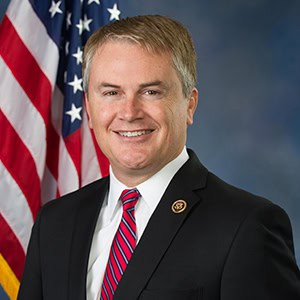
Congressman James Comer
Email
Main office: (202) 225-3115
Field office locations & phone numbers
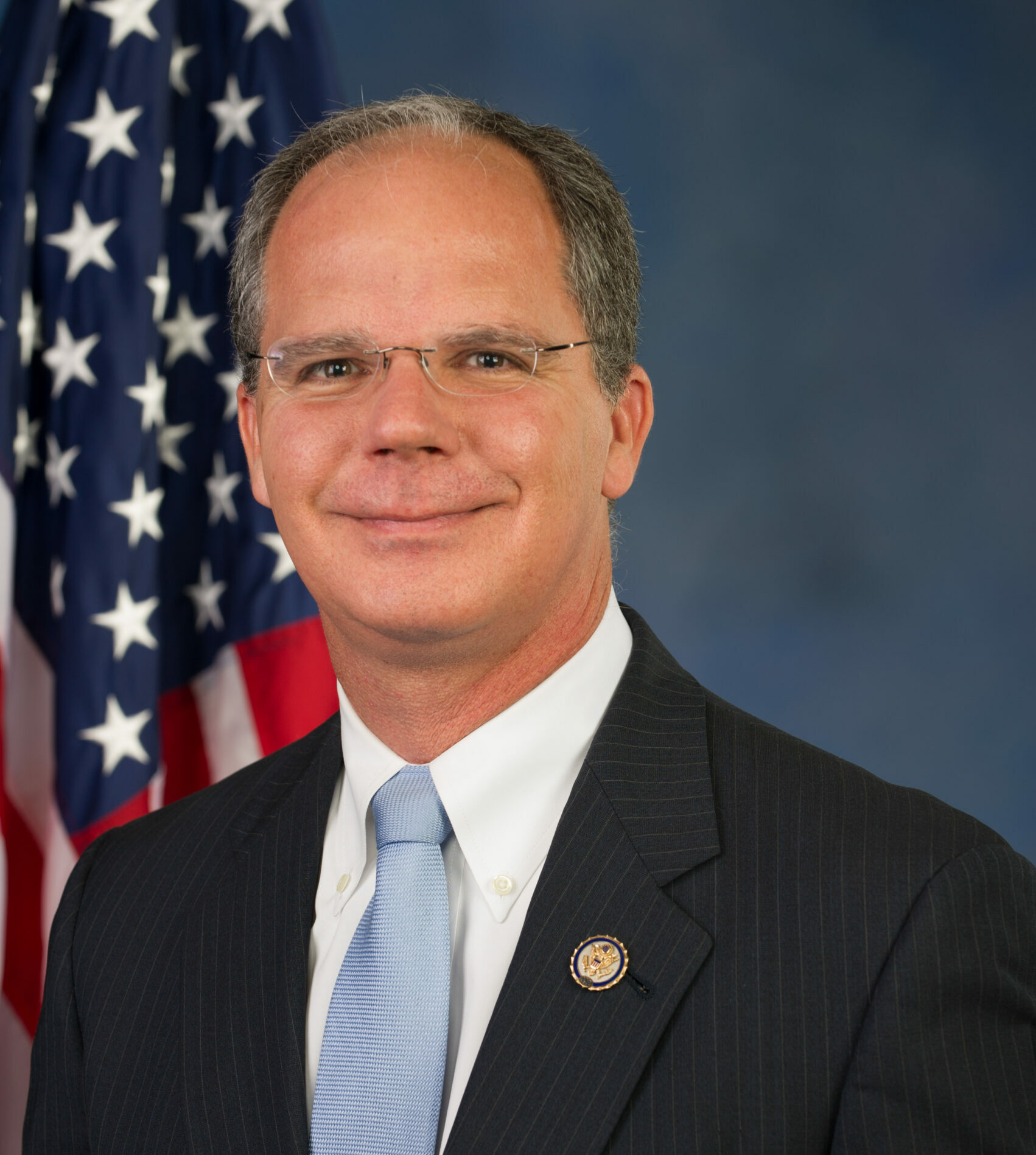
Congressman Brett Guthrie
Email
Main office: (202) 225-3501
Field office locations & phone numbers

Congressman Thomas Massie
Email
Main office: (202) 225-3465
Field office locations & phone numbers
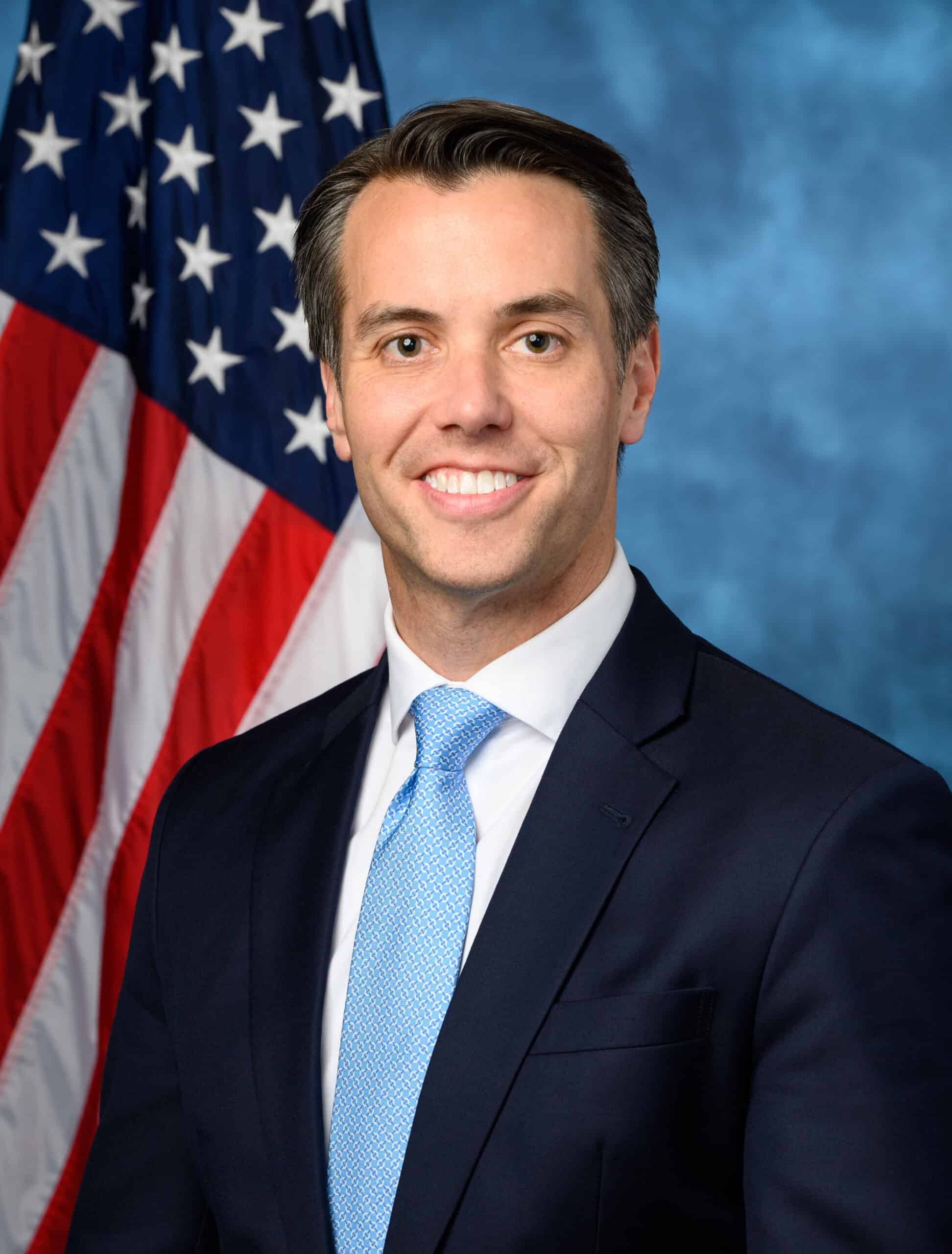
Congressman Morgan McGarvey
Email
Main office: (202) 225-5401
Louisville field office: (502) 582-5129

Congressman Hal Rogers
Email
Main office: (202) 225-4601
Field office locations & phone numbers